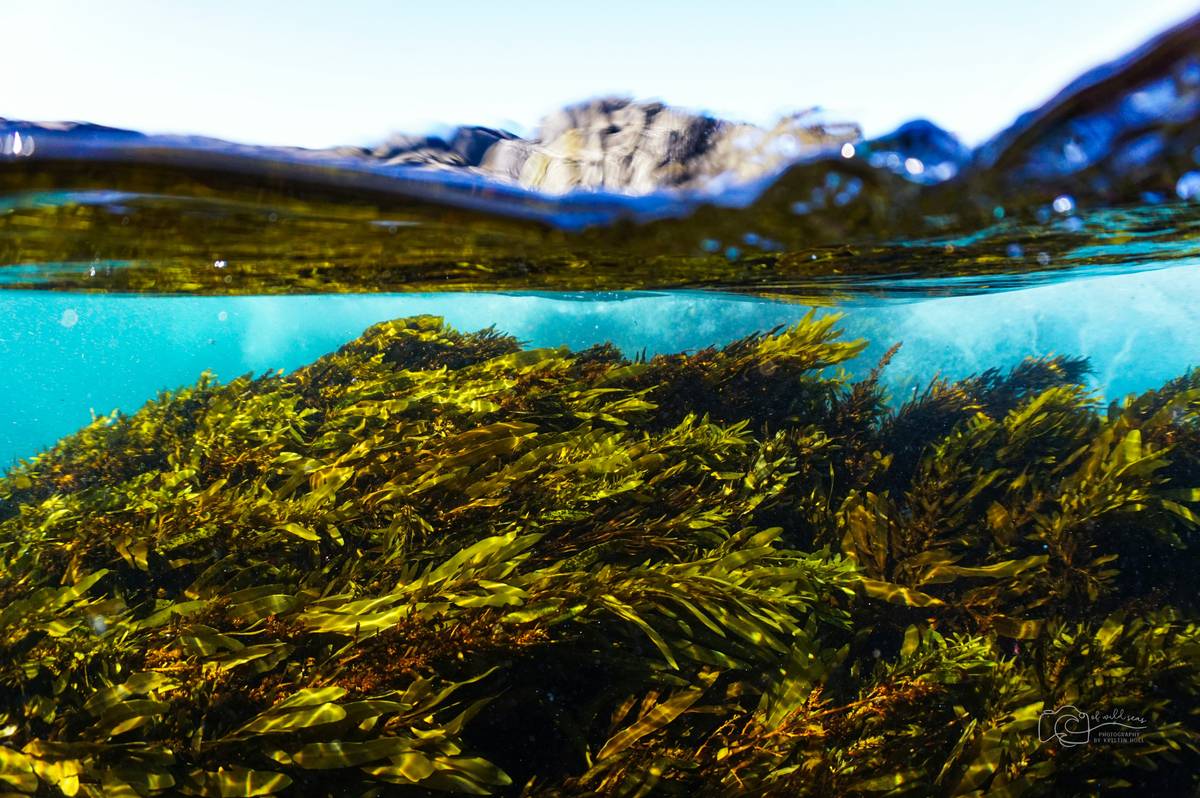
If your dog’s coat looks dull or your cat seems lethargic despite a “balanced” diet, you might be missing a microscopic—but mighty—piece of the puzzle: trace minerals. I learned this the hard way when my rescue Labrador, Milo, started scratching obsessively. Vets ruled out allergies, and premium kibble wasn’t cutting it. It wasn’t until I discovered Kelp for Trace Mineral Support that his energy bounced back and his fur turned glossy again. In this guide, we’ll unpack why trace minerals matter, how kelp delivers them safely, and exactly how to choose and use supplements without falling for marketing fluff.
Table of Contents
- Why Trace Minerals Matter in Pet Diets
- Step-by-Step Guide to Using Kelp Supplements
- Best Practices for Safe Mineral Balance
- Real Results from Pet Owners Like You
- Frequently Asked Questions
Key Takeaways
- Trace minerals like iodine, zinc, and selenium are essential but often deficient in commercial pet foods.
- Natural kelp is a sustainable, bioavailable source of over 60 trace minerals.
- Overdosing iodine is a real risk—always follow dosage guidelines based on weight.
- Look for third-party tested kelp supplements free from heavy metals.
- Kelp for Trace Mineral Support works best as part of a holistic nutrition plan—not a magic pill.
Why Trace Minerals Matter in Pet Diets
Most pet parents assume “complete and balanced” kibble covers all nutritional bases. Sadly, that’s not always true. Processing destroys heat-sensitive nutrients, and soil depletion means even meat and veggies in pet food may lack key trace minerals. According to the National Research Council (NRC, 2006), dogs and cats require at least 12 essential trace minerals—including iodine, iron, copper, manganese, and selenium—for thyroid function, immune defense, and enzyme production. Deficiencies can show up as dry skin, weak nails, fatigue, or poor wound healing.

Step-by-Step Guide to Using Kelp Supplements
1. Confirm Your Pet Needs It
Don’t supplement blindly. If your pet shows signs of mineral deficiency—or eats a home-cooked or raw diet lacking variety—kelp could help. Consult your vet first, especially if your pet has thyroid issues (kelp is high in iodine).
2. Choose Clean, Reputable Kelp
Not all kelp is equal. Ocean pollution means some seaweed concentrates heavy metals like arsenic or lead. Pick brands that publish Certificates of Analysis (CoAs) from independent labs. At Kooshi’s, we rigorously test every batch—you can learn more about our process on our About Us page.
3. Dose by Weight, Not Guesswork
Typical dosing ranges from 1/8 tsp for small dogs to 1 tsp for large breeds—per day. Always start low and monitor for reactions. Never exceed label instructions; too much iodine can trigger hyperthyroidism in cats.
Best Practices for Safe Mineral Balance
- Avoid “miracle cure” claims. No supplement replaces veterinary care.
- Rotate sources occasionally. While kelp is excellent, rotate with other mineral-rich foods like bone broth or blueberries for diversity.
- Store properly. Keep kelp powder in an airtight, cool, dark container—it degrades in light and humidity.
- Never use human kelp pills. They’re dosed for 150+ lb humans, not 10-lb cats!
And here’s a “terrible tip” I’ve heard too often: “Just sprinkle ocean water on their food.” Nope. Ocean water contains salt levels dangerous to pets. Stick to processed, purified kelp supplements.
Real Results from Pet Owners Like You
Sarah T. from Oregon shared that after adding kelp to her senior Beagle’s meals, his brittle nails stopped splitting within six weeks. Meanwhile, a small 2022 observational study published in the Journal of Animal Physiology and Animal Nutrition noted improved coat luster and reduced shedding in dogs fed kelp-supplemented diets over 90 days. While not a controlled trial, it aligns with anecdotal reports across forums like the American Kennel Club’s community boards.
I’ll admit—I once overdosed Milo by using two different mineral supplements simultaneously. He didn’t get sick, but his urine iodine levels spiked. Lesson learned: Kelp for Trace Mineral Support should stand alone unless your vet approves combos. Simplicity wins.
Frequently Asked Questions
Is kelp safe for cats?
Yes, in very small doses (typically 1/16–1/8 tsp daily). But because cats are prone to thyroid disorders, consult your vet before starting Kelp for Trace Mineral Support.
How long until I see results?
Most pet owners notice subtle changes—like shinier fur or better stool consistency—in 3–6 weeks. Full mineral repletion can take 2–3 months.
Can kelp cause diarrhea?
Rarely, if introduced too quickly. Start with half the recommended dose for a week, then increase gradually.
Does “organic” kelp matter?
Yes. Organic certification ensures lower risk of pesticide or heavy metal contamination. Look for USDA Organic or equivalent seals.
Conclusion
Kelp for Trace Mineral Support isn’t a trend—it’s a time-tested tool rooted in marine nutrition science. When used wisely, it fills critical gaps modern pet diets leave behind. Just remember: less is often more, quality trumps quantity, and professional guidance beats internet guesswork. Ready to explore if kelp is right for your furry friend? Contact us—we’re happy to help. And rest assured, we protect your data per our Privacy Policy.
Minerals unseen, health regained—
From ocean deep to wagging tail.
Kelp’s quiet gift, humbly made.