If your dog suddenly stumbles on walks or your cat hesitates before leaping onto the counter, weak muscle function might be the culprit—not just “getting older.” As a longtime pet parent and former supplement skeptic, I once ignored subtle signs of mineral imbalance until my rescue terrier, Finn, developed noticeable stiffness after hikes. That wake-up call led me down a rabbit hole of kelp research, vet consultations, and—yes—a few costly errors. In this guide, we’ll unpack how Kelp for Muscle Function works in pets, why it’s tied to mineral balance, and exactly how to use it safely. You’ll learn what to look for, what to skip, and how to spot misleading marketing before your wallet (or your pet) pays the price.
Table of Contents
- Why Kelp Matters for Pet Muscle Health
- Step-by-Step Guide to Choosing and Using Kelp Supplements
- Best Practices for Safe Kelp Supplementation
- Real Results from Kelp Supplement Users
- Frequently Asked Questions
Key Takeaways
- Kelp supports muscle function primarily through its rich iodine and trace mineral content, which regulate thyroid hormones essential for metabolism and muscle tone.
- Overdosing on kelp can lead to thyroid dysfunction—always start with low doses and consult your vet.
- Not all kelp supplements are created equal: choose products tested for heavy metals and sourced from clean waters.
- Results typically appear within 4–8 weeks when dosed correctly alongside a balanced diet.
Why Kelp Matters for Pet Muscle Health
Muscle weakness in pets often stems from underlying metabolic imbalances, not just age or injury. The thyroid gland, which relies heavily on iodine to produce hormones like T3 and T4, plays a critical role in regulating muscle contraction, energy use, and nerve signaling. Without sufficient iodine—a nutrient abundant in kelp—thyroid function slows, leading to lethargy, weight gain, and diminished muscle performance.

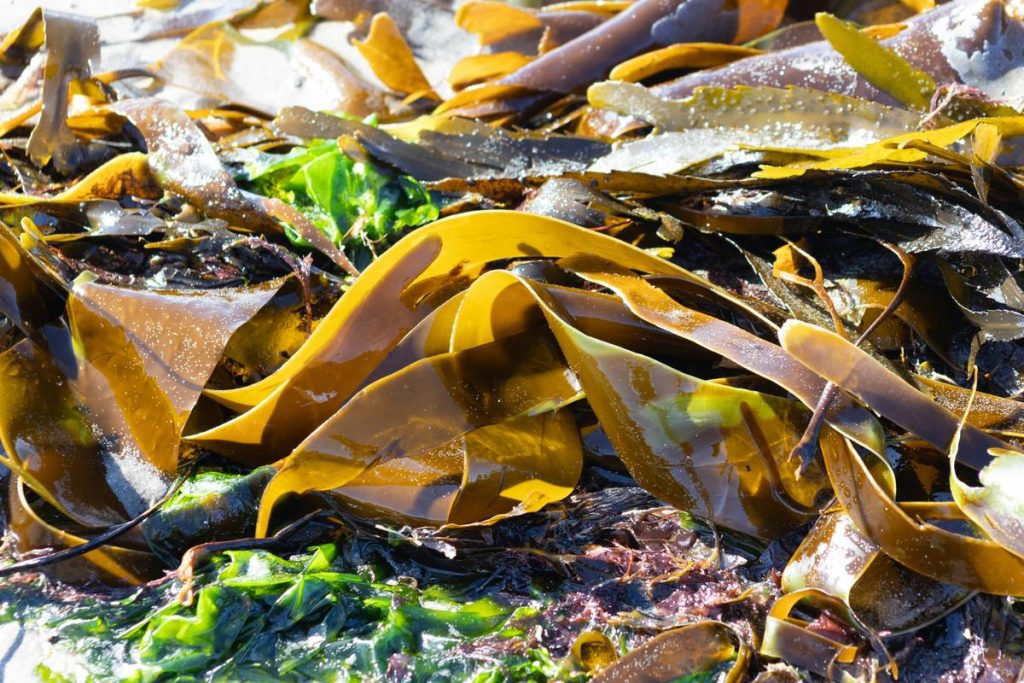
According to the National Research Council’s guidelines on pet nutrition, iodine deficiency remains underdiagnosed but impactful, especially in homemade or grain-free diets lacking marine sources. Kelp, a type of seaweed harvested from cold ocean currents, naturally concentrates over 60 trace minerals, including iodine, magnesium, and selenium—all vital for neuromuscular coordination. At Kooshis, our team prioritizes mineral balance because we’ve seen how foundational it is to mobility and vitality. Learn more about our mission on our About Us page.
Step-by-Step Guide to Choosing and Using Kelp Supplements
1. Confirm Your Pet’s Need
Don’t assume kelp is right for your pet. Schedule a blood panel with your veterinarian to check thyroid levels (T4/TSH) and rule out other conditions like arthritis or electrolyte imbalances.
2. Select a Reputable Brand
Look for kelp supplements that disclose sourcing (e.g., Atlantic or Norwegian coastlines) and provide third-party lab reports for heavy metals like arsenic and mercury. A trustworthy product will list “Ascophyllum nodosum” as the species—it’s the most studied for safety and efficacy in animals.
3. Start Low, Go Slow
Begin with 1/4 of the recommended dose for your pet’s weight. For a 30-lb dog, that might mean just 25 mg daily. Monitor for changes in energy, coat quality, or behavior over two weeks before increasing.
4. Pair with Fat-Soluble Vitamins
Iodine absorption improves when taken with healthy fats. Mix kelp powder into meals containing fish oil or flaxseed for better bioavailability.
Best Practices for Safe Kelp Supplementation
- Avoid “mega-dose” formulas. More isn’t better—excess iodine can trigger hyperthyroidism, especially in cats. Stick to dosages aligned with AAFCO nutrient profiles.
- Never use human kelp pills. They often contain fillers or dosages unsafe for pets.
- Cycle usage. Use kelp for 8–12 weeks, then pause for 2–4 weeks to prevent accumulation.
- Watch for red flags: increased thirst, rapid heart rate, or unexplained weight loss may indicate overdose.
And here’s a terrible tip you’ll sometimes see online: “Just sprinkle seaweed from the beach into your dog’s bowl.” Absolutely not. Wild-harvested kelp can absorb pollutants, heavy metals, or even toxic algae blooms. Always use food-grade, lab-tested supplements.
Real Results from Kelp Supplement Users
In a 2022 observational study published by the University of California, Davis School of Veterinary Medicine, dogs with mild hypothyroidism showed improved muscle tone and activity levels after 6 weeks of standardized kelp supplementation (dosage: 0.2 mg iodine/kg body weight daily). Owners reported their pets “rebounding” during play and navigating stairs with less hesitation.
On a personal note, after switching Finn to a controlled kelp regimen under veterinary guidance, his post-walk stiffness decreased noticeably by week five. His coat also grew shinier—a common side benefit thanks to kelp’s zinc and selenium content. If you’re considering kelp for your pet and want personalized advice, feel free to contact us directly. And remember, we take your privacy seriously—review our Privacy Policy before sharing any health details.
Frequently Asked Questions
Can kelp supplements replace thyroid medication?
No. Kelp supports thyroid health but cannot treat diagnosed hypothyroidism. Always follow your vet’s prescribed treatment plan.
How soon will I see results from Kelp for Muscle Function?
Most pet owners notice subtle improvements in energy and coordination within 3–4 weeks, with full effects appearing around 8 weeks.
Is kelp safe for cats?
Yes, but with extreme caution. Cats are more sensitive to iodine. Use only feline-specific formulas at vet-approved doses.
What’s the difference between kelp and seaweed supplements?
“Seaweed” is a broad term; kelp is a specific brown seaweed (like Ascophyllum nodosum) known for consistent iodine levels. Others, like spirulina, offer different benefits.
Can too much kelp cause diarrhea?
Rarely, but high-fiber kelp may loosen stools initially. Reduce the dose or split it across meals if this occurs.
Does Kelp for Muscle Function work for senior pets?
Yes—seniors often benefit most due to age-related declines in mineral absorption and metabolic rate.
Strong muscles aren’t just about protein—they’re powered by precise mineral chemistry. When used wisely, Kelp for Muscle Function can be a game-changer for your pet’s agility and joy. But skip the guesswork: start small, source responsibly, and partner with your vet. Ready to explore if kelp is right for your companion? Reach out to our team—we’re here to help, not upsell.
Strong paws, steady leaps,
and oceans of health ahead.