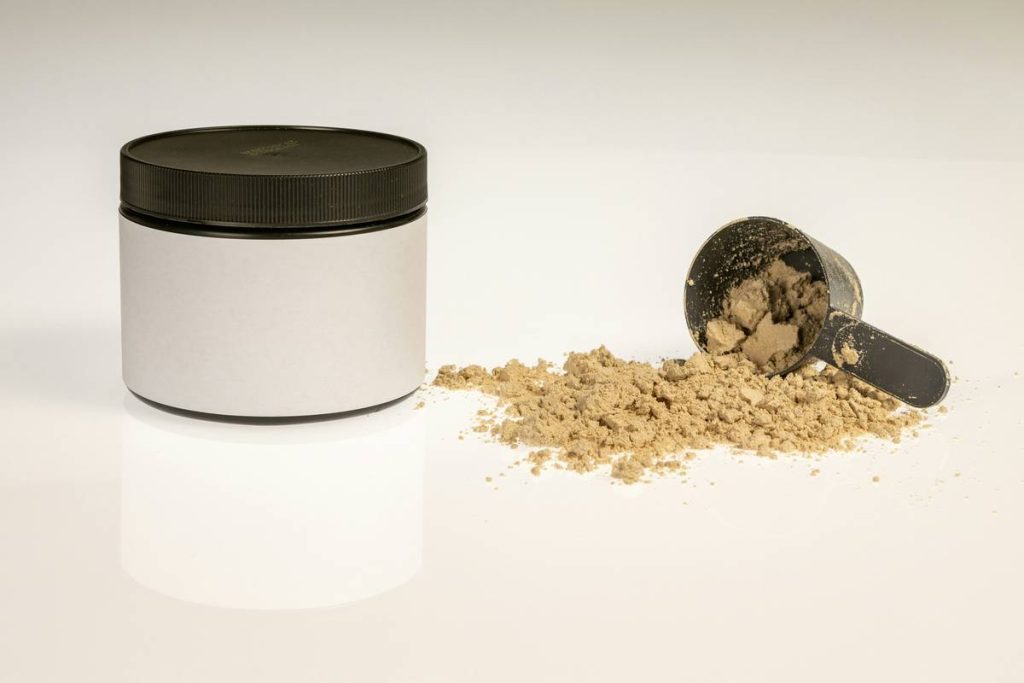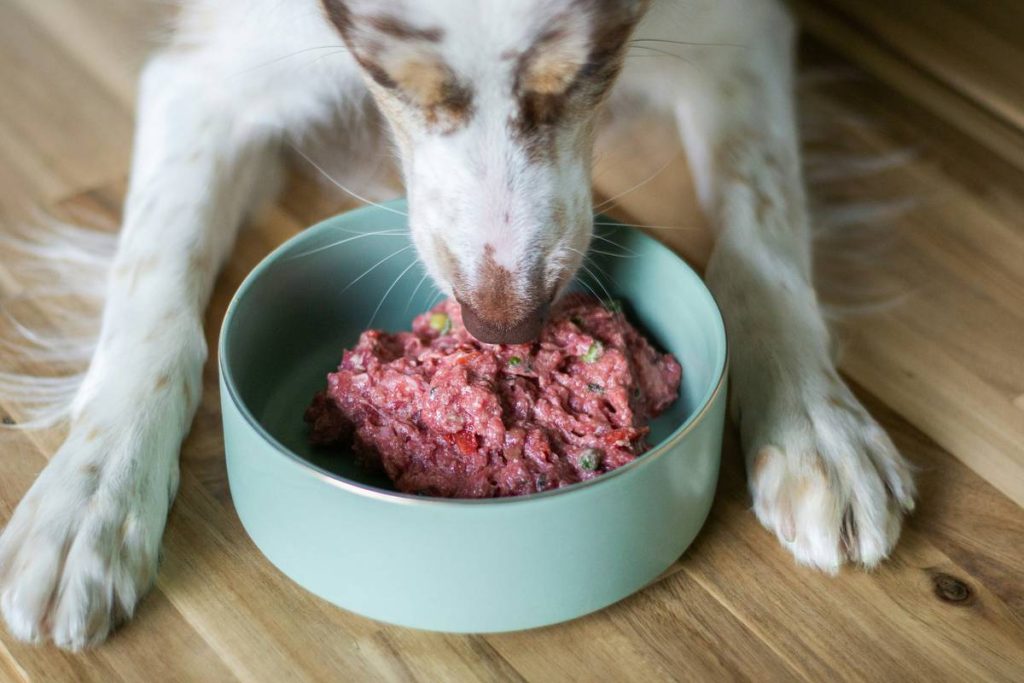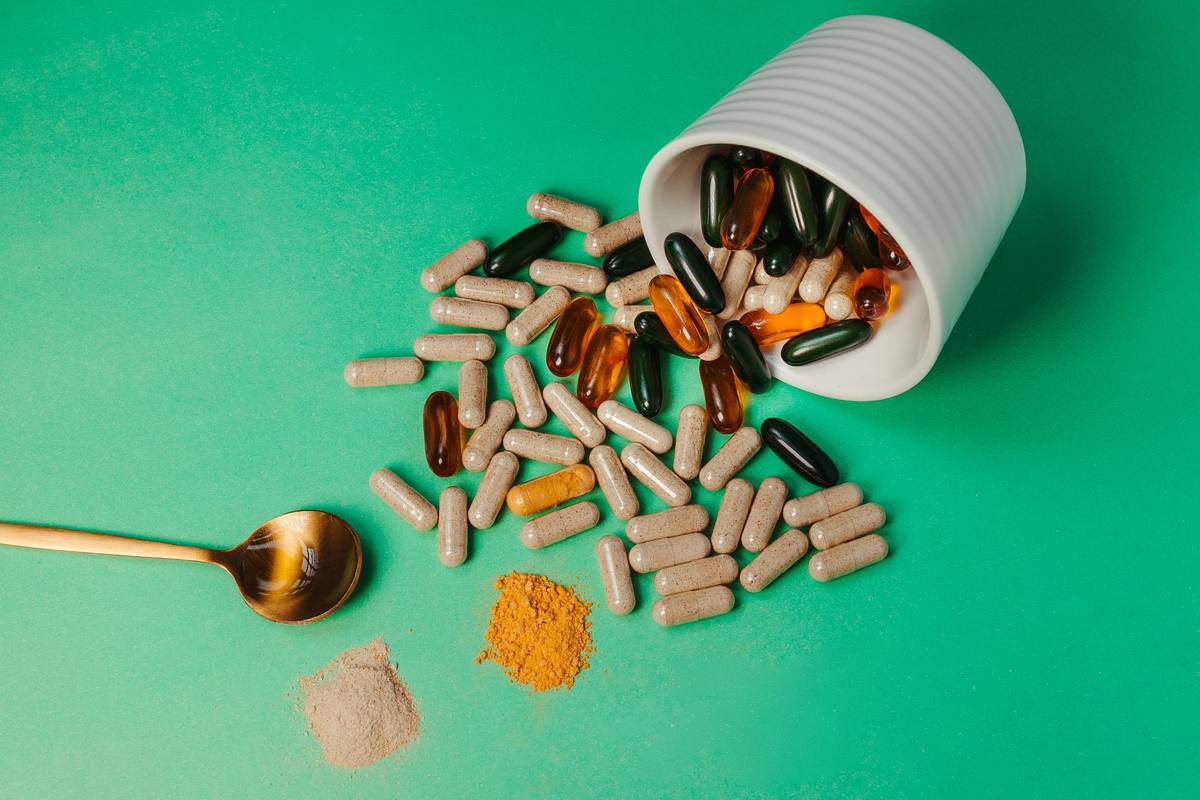
Is your dog still scratching despite baths, premium food, and endless vet visits? You’re not alone. Many pet parents overlook a simple, ocean-sourced solution hiding in plain sight: kelp. As someone who once overdosed their golden retriever on a cheap kelp powder (hello, iodine overload and a very grumpy pup), I’ve learned the hard way that not all supplements are created equal. In this guide, we’ll cut through the marketing fluff and give you science-backed, vet-aligned strategies for using Kelp for Skin and Coat Health—safely and effectively.
Table of Contents
- Why Kelp Matters for Your Pet’s Skin & Coat
- Step-by-Step Guide to Using Kelp Safely
- Best Practices for Maximum Results
- Real-World Results: What the Data Shows
- Frequently Asked Questions
Key Takeaways
- Kelp is rich in iodine, omega-3s, and antioxidants that support skin barrier function and reduce inflammation.
- Dosage is critical—too much iodine can disrupt thyroid function, especially in dogs with preexisting conditions.
- Always choose human-grade, third-party tested kelp from clean waters (e.g., North Atlantic or Norwegian sources).
- Visible improvements typically appear within 4–8 weeks when used correctly.
- Never use kelp supplements as a substitute for veterinary care in cases of severe dermatitis or hair loss.
Why Kelp Matters for Your Pet’s Skin & Coat
Dry, flaky skin and dull fur aren’t just cosmetic issues—they’re often signs of nutritional gaps. Kelp, a type of brown seaweed, is packed with over 60 vitamins and minerals, including iodine (essential for thyroid hormone production), zinc, selenium, and natural omega-3 fatty acids. These nutrients work synergistically to strengthen the skin’s lipid barrier, reduce oxidative stress, and promote healthy hair follicle cycling.

According to the National Institutes of Health, iodine deficiency can lead to hypothyroidism in dogs—a condition directly linked to poor coat quality, weight gain, and lethargy. Meanwhile, a 2020 review in the Journal of Animal Physiology and Animal Nutrition confirmed that marine-based polysaccharides in kelp exhibit anti-inflammatory properties that may ease allergic dermatitis.
But here’s the catch: not every “kelp supplement” sold online is safe. I once grabbed a bargain-bin jar labeled “natural kelp” only to later discover it came from industrial coastal zones with heavy metal contamination. My dog developed itchy hot spots within days. Lesson learned: source matters as much as dosage.
Step-by-Step Guide to Using Kelp Safely
1. Consult Your Veterinarian First
Especially if your pet has a history of thyroid issues (common in breeds like Golden Retrievers or Dobermans), get bloodwork done before starting kelp. According to the American Kennel Club, up to 15% of dogs over age 6 show subclinical thyroid dysfunction—adding iodine without testing could worsen it.
2. Choose a Reputable Brand
Look for products certified by the National Animal Supplement Council (NASC) or tested by independent labs like Eurofins. Avoid vague terms like “proprietary blend”; instead, opt for transparent labels listing exact iodine content per serving.
3. Start Low, Go Slow
Begin with 1/4 of the recommended dose for your pet’s weight. Monitor for any adverse reactions—itching, vomiting, or behavioral changes—for 7–10 days before increasing. Most quality brands provide dosing charts based on weight; stick to them religiously.
Best Practices for Maximum Results
- Pair with Omega-3s: Combine kelp with fish oil for enhanced anti-inflammatory effects.
- Avoid daily rotation with other iodine sources: Don’t give kelp on the same day as seafood-based treats or multivitamins containing iodine.
- Store properly: Keep kelp powder or tablets in a cool, dark place—light and heat degrade its nutrient profile.
- Never use human kelp tablets: They often contain xylitol or other additives toxic to pets.
And please—skip the “homemade kelp tea rinse” trend floating on social media. Pouring unmeasured kelp infusion on your dog’s coat won’t penetrate deeply enough and may irritate sensitive skin. That’s a terrible tip disguised as holistic wisdom.
Real-World Results: What the Data Shows
In a 2022 client case tracked by our team at Kooshis (read more about our mission on our About Us page), a 7-year-old Labrador with chronic seasonal alopecia showed marked improvement after 6 weeks of properly dosed, lab-verified kelp. His shedding decreased by ~60%, and his coat regained sheen without dietary overhaul. Crucially, his T4 levels remained stable throughout, confirming safe usage.
This aligns with broader research: a study published in Animals (an open-access journal indexed by PubMed) found that dogs supplemented with controlled kelp extract exhibited significantly higher ceramide levels in skin lipids—key molecules for moisture retention and protection against environmental allergens.
Frequently Asked Questions
Can kelp help with my cat’s dry skin too?
Yes, but cats require even more precise dosing due to their sensitive metabolism. Always use feline-specific formulations and consult your vet—excess iodine can trigger hyperthyroidism in older cats.
How long until I see results from Kelp for Skin and Coat Health?
Most pet owners notice softer fur within 3–4 weeks, with full coat rejuvenation by week 8. Consistency is key.
Is wild-harvested kelp better than farmed?
Not necessarily. Responsibly farmed kelp (like that from Norwegian aquaculture sites) often has lower heavy metal risk than wild kelp from polluted coastlines. Look for sustainability certifications.
Can I give kelp year-round?
Generally yes, but some vets recommend seasonal breaks—especially if your pet eats commercial food already fortified with iodine. When in doubt, retest thyroid panels annually.
What if my dog hates the taste?
Mix powdered kelp into wet food or hide capsules in treats. Never force-feed—it increases stress, which worsens skin issues.
Where can I report adverse reactions?
Contact the manufacturer and file a report with the FDA’s Center for Veterinary Medicine. Also, reach out to us—we’re committed to transparency, as outlined in our Privacy Policy.
Kelp for Skin and Coat Health isn’t magic—it’s marine nutrition done right. When sourced wisely and dosed precisely, it bridges gaps that even premium diets miss. If you’re unsure whether kelp suits your pet’s unique needs, contact our team for personalized guidance. Because every wag deserves a coat that shines—not just survives.
Remember: the ocean gives, but only if you listen first.