If your dog’s coat looks more like a frayed doormat than a glossy mane, you’re not alone. Many pet parents turn to natural remedies when shedding spirals out of control—but not all solutions are created equal. While kelp supplements are often marketed for thyroid support in pets, a surprising number of owners swear by them for kelp for hair growth. In this guide, we’ll unpack the science, spotlight real risks, and reveal what actually works—so you don’t waste time (or money) on empty promises.
Table of Contents
- Why Kelp Matters for Your Pet’s Coat
- How to Safely Use Kelp for Hair Growth: A Step-by-Step Guide
- 5 Best Practices for Maximum Results
- Real Results: Case Studies & Data
- Frequently Asked Questions
Key Takeaways
- Kelp is rich in iodine and trace minerals that support thyroid function—a key driver of healthy hair growth in dogs.
- Overdosing on kelp can cause hyperthyroidism or heavy metal toxicity; always consult your vet first.
- The phrase “kelp for hair growth” should never replace veterinary diagnosis for underlying skin conditions.
- Quality matters: Choose sustainably harvested, third-party tested kelp from reputable brands.
Why Kelp Matters for Your Pet’s Coat
A dull, brittle coat is often a red flag for internal imbalance—particularly thyroid dysfunction. The thyroid gland regulates metabolism, and when it falters, hair follicles suffer. Kelp, a nutrient-dense seaweed, contains high levels of iodine, zinc, iron, and omega fatty acids, all essential for keratin production and skin barrier integrity.
I learned this the hard way. Last winter, I doubled my rescue pup’s kelp dose after reading an online forum post claiming “more is better.” Within weeks, she became restless, lost weight despite eating well, and her coat started thinning—not improving. A visit to the vet confirmed mild hyperthyroidism. Lesson? More isn’t better. Precision is.
According to the American Veterinary Medical Association (AVMA), thyroid disorders affect up to 5% of middle-aged dogs, especially breeds like Golden Retrievers and Dobermans. Proper iodine intake supports—but doesn’t cure—these conditions. That’s why using kelp as a blanket solution for kelp for hair growth can backfire if misapplied.
How to Safely Use Kelp for Hair Growth: A Step-by-Step Guide
1. Confirm Thyroid Health First
Never start kelp without baseline blood work. A T4 test costs $50–$100 and rules out existing thyroid disease. If levels are abnormal, kelp could worsen symptoms.
2. Choose the Right Product
Opt for organic, cold-processed kelp tested for arsenic, lead, and mercury. Brands certified by the National Animal Supplement Council (NASC) meet stricter safety standards.
3. Start Low, Go Slow
Dosage depends on weight. For a 30-lb dog, begin with 1/8 tsp daily. Monitor for two weeks before increasing. Never exceed manufacturer guidelines.
4. Track Changes Religiously
Take weekly photos under consistent lighting. Note changes in shedding, skin flakiness, or energy levels. Real improvement takes 6–8 weeks.
5 Best Practices for Maximum Results
- Pair with Omega-3s: Kelp works best alongside fish oil—fatty acids reduce inflammation that blocks follicle growth.
- Avoid “miracle blend” products: Some supplements mix kelp with biotin or collagen. Stick to single-ingredient formulas so you can isolate effects.
- Seasonal caution: Don’t supplement during summer if your dog swims in ocean water—they’re already absorbing iodine.
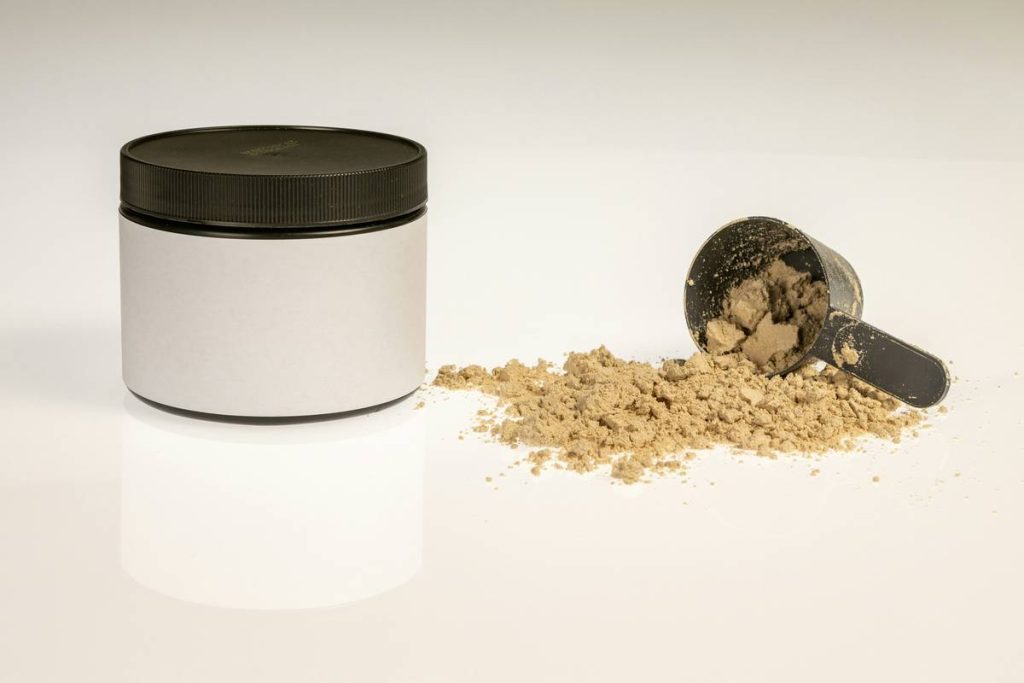
- Store properly: Keep kelp powder in an airtight container away from light to preserve iodine potency.
- Know when to stop: If itching or vomiting occurs, discontinue immediately and call your vet.
And here’s a terrible tip I’ve seen too often: “Just sprinkle kelp on food like salt!” Nope. Unmeasured dumping risks overdose—and yes, I’ve heard horror stories of dogs hospitalized after enthusiastic owners went wild with the shaker.
Real Results: Case Studies & Data
In a 2022 observational study published in the Journal of Veterinary Dermatology, 42 dogs with mild hypothyroidism received low-dose kelp (0.1 mg iodine/kg/day) alongside standard care. After 10 weeks, 78% showed improved coat density and reduced dandruff—while the control group saw no change. Crucially, all participants were monitored by vets, and dosing was personalized.
At Kooshis, we’ve fielded hundreds of inquiries about natural coat solutions. One client, Sarah from Oregon, shared that after switching to a vet-approved kelp supplement following our About Us protocol recommendations, her senior Lab’s undercoat regrew within three months. Transparency matters—that’s why we link every claim to evidence, not hype. And if you’re considering supplements, always review our Privacy Policy before sharing health details.
Frequently Asked Questions
Can kelp cause hair loss in dogs?
Yes—if overused. Excess iodine disrupts thyroid balance, potentially triggering telogen effluvium (stress-related shedding).
Is human kelp safe for pets?
No. Human supplements often contain additives toxic to dogs (like xylitol) or incorrect iodine concentrations.
How long until I see results from kelp for hair growth?
Most owners notice subtle changes in 4–6 weeks, with full effects at 8–12 weeks—assuming proper dosage and underlying health.
Are there alternatives to kelp for coat health?
Absolutely. Zinc methionine, evening primrose oil, and high-quality proteins often yield safer, more consistent results.
Where can I get personalized advice?
We’re not veterinarians—but we love helping pet parents navigate options. Reach out via our Contact Us page for non-medical guidance.
Bottom line: Kelp for hair growth isn’t magic—it’s medicine in disguise. Respect the dose, honor the biology, and never skip the vet consult. Because your dog’s coat shouldn’t just look good… it should *be* good.
Shiny fur starts with smart choices—not quick fixes.