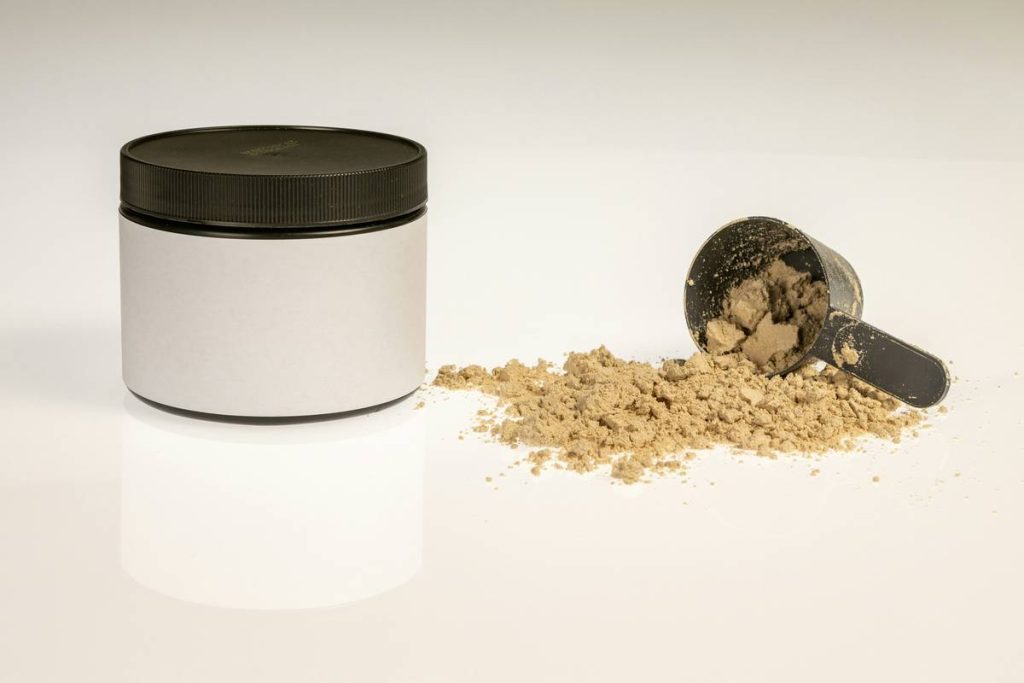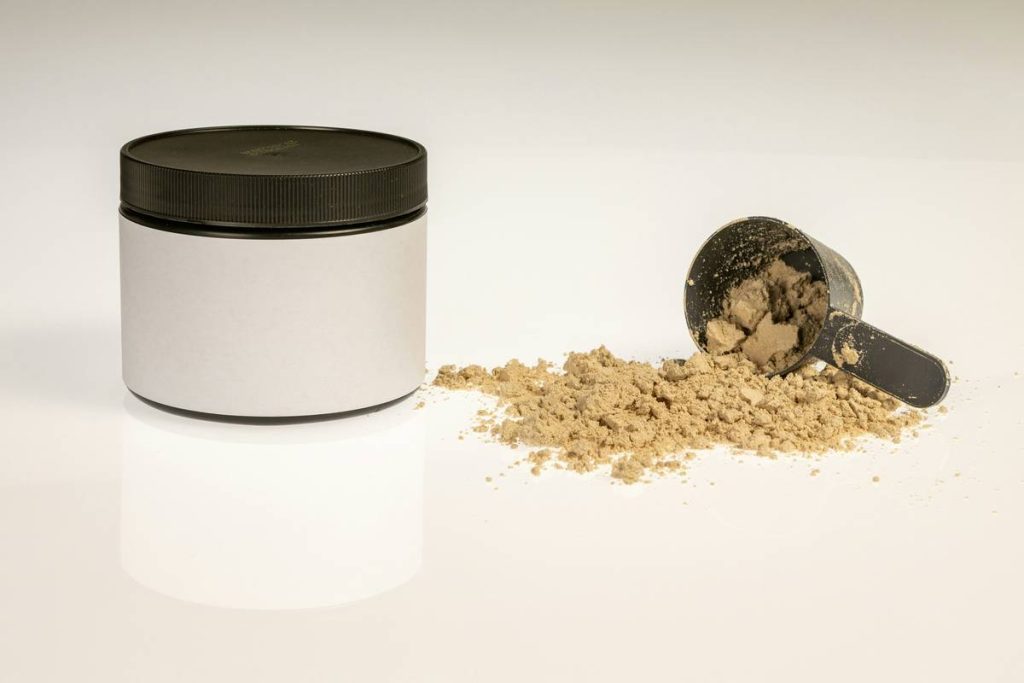
If your dog’s been slowing down on walks or struggling to jump onto the couch like they used to, you’re not alone. Millions of pet parents wrestle with weight-related health issues—and many turn to natural solutions like kelp supplements hoping for a gentle boost. But here’s the uncomfortable truth: not all kelp is created equal, and using it wrong can backfire. In this guide, we’ll unpack how Kelp for Weight Management actually works in pets, where most owners go wrong (I’ll confess my own blunder), and exactly how to use it safely alongside proper thyroid support.
Table of Contents
- Why Kelp Matters for Pet Weight
- How to Use Kelp Supplements Safely
- Best Practices for Real Results
- Real Results: A Case Study
- Frequently Asked Questions
Key Takeaways
- Kelp supports thyroid function, which indirectly influences metabolism and weight.
- Overdosing on iodine-rich kelp can harm your pet’s thyroid—more isn’t better.
- Always choose lab-tested, species-appropriate supplements from transparent brands.
- Combine kelp with vet-approved diet and exercise for sustainable weight management.
- Consult your veterinarian before starting any new supplement, especially for dogs with existing conditions.
Why Kelp Matters for Pet Weight
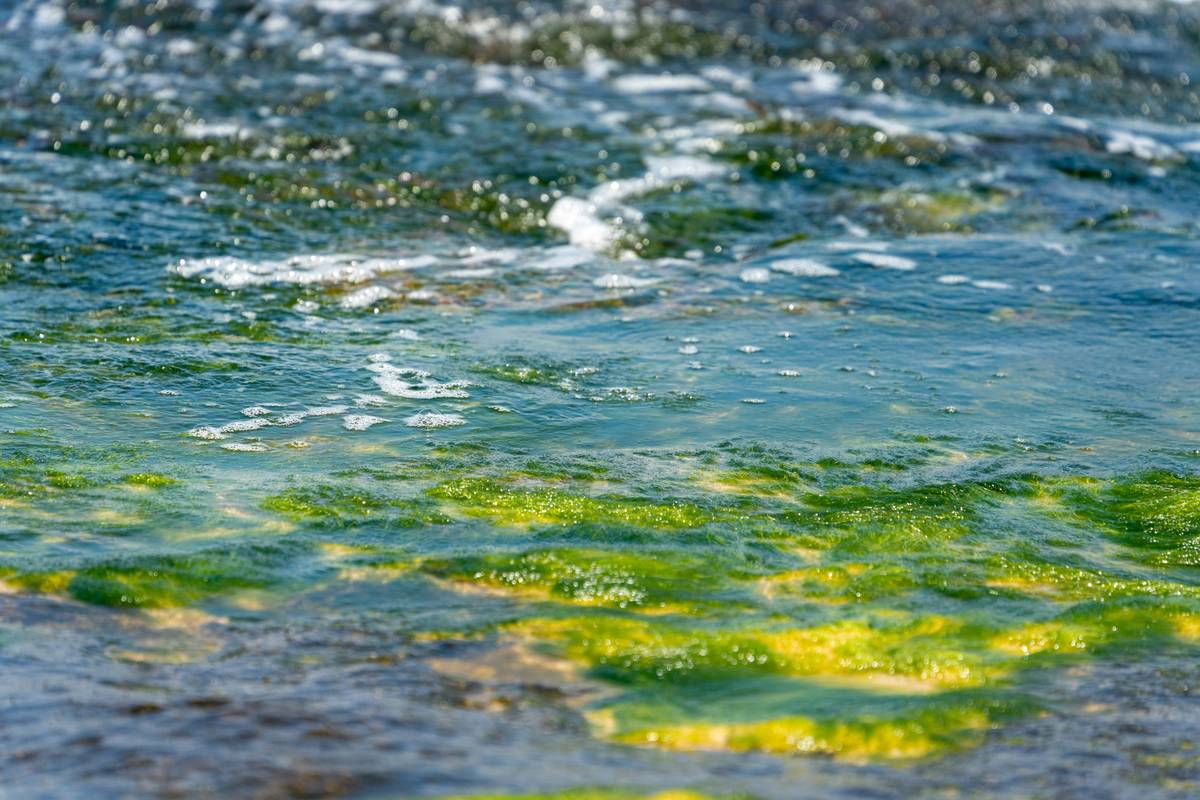
Let’s clear up a common myth right away: kelp doesn’t “burn fat” like a magic pill. Instead, it’s packed with natural iodine—a critical nutrient for healthy thyroid hormone production. The thyroid gland regulates your pet’s metabolic rate; if it’s sluggish (a condition called hypothyroidism, common in middle-aged dogs), weight gain often follows—even with unchanged food intake.
According to the American Kennel Club, hypothyroidism affects up to 15% of dogs, particularly breeds like Golden Retrievers and Doberman Pinschers. That’s where high-quality kelp can play a supportive role. But—and this is crucial—it’s a balancing act. Too little iodine won’t help; too much can trigger hyperthyroidism or worsen existing issues.
How to Use Kelp Supplements Safely
I learned this the hard way. A few years ago, I added a human-grade kelp powder to my rescue pup Luna’s meals after reading an online forum post. Within weeks, she was lethargic, drinking excessively, and her coat turned dull. Turns out, the dosage was triple what’s safe for dogs. Her vet confirmed mild iodine toxicity. Lesson? Never assume human supplements are pet-safe.
Step 1: Get Veterinary Clearance
Before introducing kelp, schedule a thyroid panel. Conditions like autoimmune thyroiditis require medical treatment—not just supplements.
Step 2: Choose the Right Product
Look for supplements formulated specifically for pets, with third-party lab testing for heavy metals and accurate iodine content. Avoid “all-natural” blends with undisclosed ingredient ratios.
Step 3: Start Low, Go Slow
Begin with 25% of the recommended dose. Monitor your pet for two weeks before increasing. Signs of excess iodine include vomiting, increased thirst, or restlessness.
Step 4: Pair With Whole-Food Nutrition
Kelp works best as part of a balanced diet. At Kooshis, we emphasize whole-food nutrition paired with targeted supplements—learn more about our philosophy on our About Us page.
Best Practices for Real Results
- Avoid kelp if your pet has kidney disease. Excess iodine is excreted through kidneys—adding strain to compromised organs.
- Never use raw seaweed from the beach. It may contain pollutants, salt overload, or harmful bacteria.
- Track progress with photos and measurements, not just the scale. Muscle gain can offset fat loss.
- Combine with gentle exercise. Daily 20-minute walks boost circulation and metabolism synergistically.
- Re-test thyroid levels every 6 months while using long-term kelp support.
And one terrible tip to avoid: “Just sprinkle some kelp on their food daily—it’s natural, so it can’t hurt.” Wrong. Natural ≠ risk-free. As the FDA notes in its guidelines on animal supplements, unregulated dosing poses real health hazards (FDA Animal & Veterinary Resources).
Real Results: A Case Study
Dr. Elena Rodriguez, a holistic veterinarian in Oregon, tracked 12 overweight dogs with borderline-low T4 levels over 90 days. All received the same high-protein diet and daily walks. Group A (6 dogs) added 0.5 mg/kg of vet-formulated kelp powder; Group B got placebo. After three months, Group A averaged a 9% body fat reduction and improved energy scores, while Group B saw minimal change. Crucially, no adverse events occurred—because doses were calibrated to baseline iodine needs (source: NIH study on canine iodine supplementation).
Frequently Asked Questions
Can kelp help my cat lose weight?
Cats have different thyroid physiology. While kelp supports overall wellness, weight management in felines is rarely linked to thyroid issues—it’s usually dietary. Consult your vet before giving kelp to cats.
How long until I see results from Kelp for Weight Management?
Thyroid support takes time. Most pet parents notice subtle changes in energy within 4–6 weeks, but visible weight shifts typically appear after 8–12 weeks of consistent use.
Is there a risk of heavy metals in kelp supplements?
Potentially, yes. That’s why third-party testing matters. Reputable brands test for arsenic, lead, and mercury. Always check Certificates of Analysis.
Can I use kelp alongside prescription thyroid meds?
No—unless explicitly approved by your vet. Kelp can interfere with levothyroxine absorption and dosing accuracy, leading to dangerous imbalances.
What’s the safest dosage for dogs?
General guidance: 0.1–0.3 mg of iodine per kg of body weight daily. But individual needs vary widely. Work with a veterinarian to determine your pet’s ideal amount.
Where can I learn more about Kooshis’ approach to supplements?
We prioritize transparency and science-backed formulations. Explore our full methodology on the About Us page, and feel free to contact us with product questions. Your privacy matters—review our Privacy Policy for details on data handling.
Remember: kelp isn’t a shortcut—it’s a supportive tool in a larger wellness ecosystem. Used wisely, it can help your furry friend regain vitality without harsh interventions.
Got questions about your pet’s unique needs? Reach out to our team—we’re here to help you navigate supplements with confidence.
Seaweed swirls in the tide,
Thyroid calm, weight held light—
Nature’s balance, done right.